The Importance of Cyber Security For Schools: How To Protect Student Data
Cyber Security
 7 months ago
Schools rely on technology every day to support learning, communication, and operations. Students use devices in the classroom. Teachers manage grades and lesson plans online. Administrators handle records, schedules, and communication through digital systems.
This growing reliance on technology creates new risks.
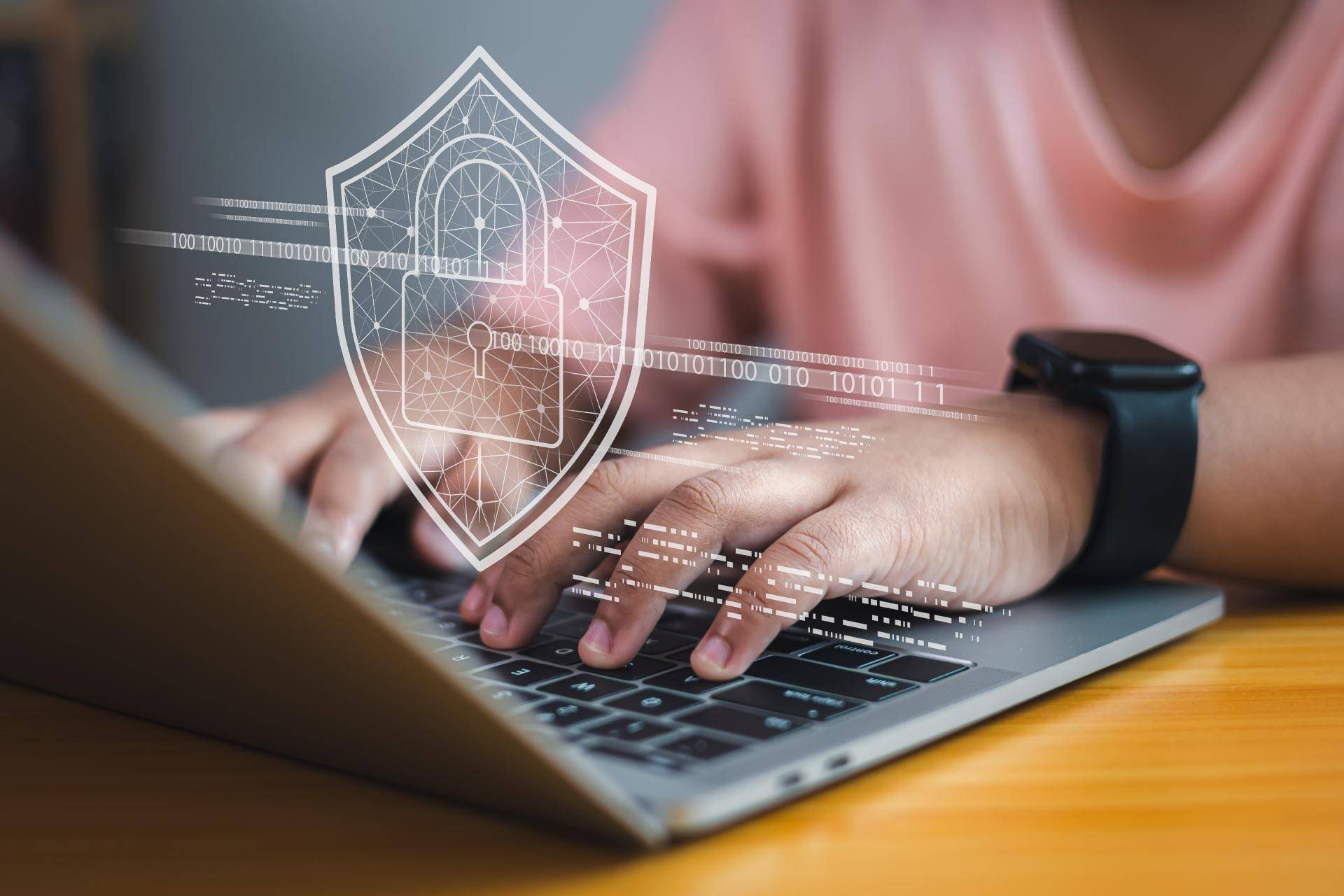
Cybercriminals increasingly target schools because they store valuable data, often maintain large cash balances, and may lack strong security measures. Without proper protection, schools risk exposing sensitive student information, losing significant financial resources, and disrupting daily operations.
Strong cyber security for schools helps protect student privacy, safeguard school funds, maintain trust, and keep systems running smoothly. Schools that take a proactive approach can reduce risks and respond quickly when threats arise.
Why Schools Are Common Targets for Cyberattacks
Hackers target schools because they offer a combination of valuable data, accessible financial systems, and potential vulnerabilities.
Schools manage large amounts of sensitive information about students, families, and staff. They also often control significant budgets and vendor payments, making them attractive targets for financial fraud schemes.
At the same time, many school systems operate with limited IT resources compared to large businesses.
Schools also rely on many devices and networks. Students, teachers, and administrators all connect to the same systems, often from different locations. This increases the chances of security gaps.
Common threats schools face include:
- Ransomware attacks that lock systems and demand payment
- Phishing emails that trick users into sharing login credentials
- Data breaches involving student and staff records
- Unauthorized access to school networks
- Business email compromise (BEC) scams that redirect payments or steal funds
Types of Student Data Schools Must Protect
Schools store a wide range of sensitive information that requires strong protection.
This data often includes:
- Personal information such as names and birthdates
- Addresses and contact details
- Academic records, grades, and transcripts
- Medical information and special education records
- Login credentials and passwords
- Credit card information and other financial records
If someone gains access to this information, they can misuse it in ways that harm students and families, not just digitally, but in a variety of forms.
Consequences Of Weak Cyber Security In Schools
When schools experience a data breach, the impact goes beyond technology.
Financial Risk to School Corporations
Cybercrime is increasingly costing school districts millions of dollars. In recent cases, districts have lost anywhere from hundreds of thousands to several million dollars through wire fraud and vendor impersonation scams.
For example, one district lost $4.8 million after being tricked into wiring funds, while others have lost $3 million or more through fraudulent payment requests.
These attacks often exploit simple gaps, such as a fraudulent email requesting a change in payment details. Because schools regularly process large payments, they are especially vulnerable.
For many districts, these losses are not fully recoverable and can directly impact budgets, programs, and resources for students.
Child Safety Risks
Data breaches don’t just expose information; they can put students at risk. Cyber incidents have exposed highly sensitive data, including Social Security numbers, home addresses, medical records, and even bus routes.
This creates serious risks, including:
- Identity theft that can go undetected for years
- Exposure of home addresses and schedules that could enable stalking or targeting
- Extortion attempts using stolen student data
- Sale of personal information on the dark web
In one major breach, data from over 70 million students and teachers was exposed, including decades of historical records.
Operational Disruption and Loss of Trust
School operations can slow down or stop entirely if systems become compromised.
Trust also takes a hit. Parents expect schools to protect their children’s information. When a breach occurs, that trust can disappear quickly.
Schools may also face legal and regulatory consequences if they fail to protect sensitive data.
Essential Cyber Security Measures Schools Should Implement
Schools can reduce risk by putting strong security practices in place. These steps create a solid foundation for protecting systems and data.
Strong Password Policies
Encourage staff and students to create complex passwords and update them regularly. Avoid simple or repeated passwords across systems.
Password managers can help users store and manage credentials securely.
Multi-Factor Authentication
Add an extra layer of protection by requiring users to verify their identity in more than one way. This step makes it much harder for attackers to access accounts.
Regular Software Updates
Keep operating systems, devices, and applications up to date. Updates fix known vulnerabilities and reduce the risk of attacks.
Network Security And Firewalls
Use firewalls and network security tools to block unauthorized access. Monitor network activity to detect unusual behavior early.
Data Backup And Recovery Plans
Create regular backups of critical systems and data. Store backups securely and test recovery processes. This ensures schools can restore systems quickly after ransomware attacks or data loss.
Financial Safeguards
Implement verification processes for payment changes and large transactions. Always confirm requests through a second communication channel to prevent fraud.
Cyber Security Training for Staff and Students
Human error remains one of the most common causes of cyber incidents.
Training helps staff recognize phishing emails, suspicious links, and other threats. It also teaches students how to use technology responsibly.
Effective training should cover:
- How to recognize phishing attempts
- Safe password practices
- Secure device usage
How Managed IT Services Help Schools Stay Secure
Managing cyber security takes time, expertise, and constant attention. Many schools benefit from working with a trusted IT partner like Winona IT.
Managed IT services provide ongoing support and protection for school systems. These services help schools stay ahead of threats and respond quickly when issues arise.
Key benefits include:
- 24/7 network monitoring
- Threat detection and response
- Security audits and risk assessments
- Ongoing system updates and patch management
- Protection against financial fraud and unauthorized transactions
Winona IT works with schools to build proactive security strategies. Our team helps protect networks, secure data, and reduce risks before problems occur.
Signs Your School May Have Cyber Security Vulnerabilities
Some warning signs indicate that a school’s systems may face security risks.
Watch for:
- Unusual network activity
- Slow or compromised systems
- Unauthorized login attempts
- Unexpected payment or vendor change requests
- Outdated software across devices
If you notice any of these issues, take action quickly. Regular security assessments help identify vulnerabilities before they turn into serious problems.
Protect Your School’s Data With Expert IT Support
Cyber threats continue to evolve, and schools must stay prepared.
Winona IT helps schools strengthen their cyber security for schools with reliable support and proactive solutions. We offer cyber security assessments, managed IT services, and network protection strategies designed to keep your systems secure.
Don’t wait until a breach occurs. Contact Winona IT today to protect your students, your staff, and your school’s future.
Frequently Asked Questions
Why is cyber security important for schools?
Schools store sensitive student and staff information. Strong cyber security helps protect this data from unauthorized access and cyber threats.
What types of cyberattacks target schools most often?
Schools often face ransomware attacks, phishing attempts, and data breaches that target student and staff records.
How can schools improve cyber security quickly?
Schools can improve security by training staff, updating software, and using stronger authentication methods like multi-factor authentication.
Do small schools need cyber security protection?
Yes. Schools of all sizes face risks. Even small schools store valuable data that attackers want to access.
How can an IT provider help protect student data?
An IT provider monitors networks, detects threats, manages security updates, and helps prevent unauthorized access to sensitive information.
About: Winona IT
You May Be Interested In:

How To Improve Employee Onboarding With Better IT Setup
2 months ago by Winona IT

Phishing Attacks Are Evolving: What Your Business Can Do
4 months ago by Winona IT

How To Train Your Staff On Cyber Security Best Practices
5 months ago by Winona IT

How Winona IT Ensures Cyber Security for Small and Medium Businesses
10 months ago by Winona IT
What Our Clients Say
Testimonials from Satisfied Customers
I have never had any issue with your team, and I do believe that I have worked for 3 companies that have used your services over the years. You all keep doing what you’re doing!
Tara T — CT Polymers